Professional Conference Videography Manchester Tips: How to Get the Most From Your Event Footage
Manchester has quietly become one of the UK's most active conference cities. Between the arena districts, the MediaCityUK campus in Salford, and a growing cluster of business hotels with serious event infrastructure, the city hosts hundreds of corporate gatherings every year. And yet, a surprising number of them walk away without footage worth using.
That's rarely a problem with intent — most event teams want good video. It's more often a problem with process. Briefing happens too late, the wrong type of coverage gets commissioned, or delivery takes so long that the content misses its moment. Professional conference videography in Manchester, done well, should give you material you can genuinely use: for social, for internal comms, for lead generation, for sponsor reporting. Here's how to make that happen.
Start With What You Actually Need the Footage For
Before you think about cameras, think about output. Are you creating a short highlight reel for LinkedIn? A longer recap for delegates who couldn't attend? Speaker clips for thought leadership content? Sponsor deliverables? The answers shape everything — shot list, crew size, audio setup, editing style, and turnaround expectations.
It's worth having this conversation with your videographer before the event, not on the morning of. A good conference video production team will ask these questions anyway. If they don't, that's a signal worth paying attention to. The brief shouldn't just describe the event; it should describe the audience for the finished content and what you want them to do after watching it.
Understand What Professional Conference Filming Actually Involves
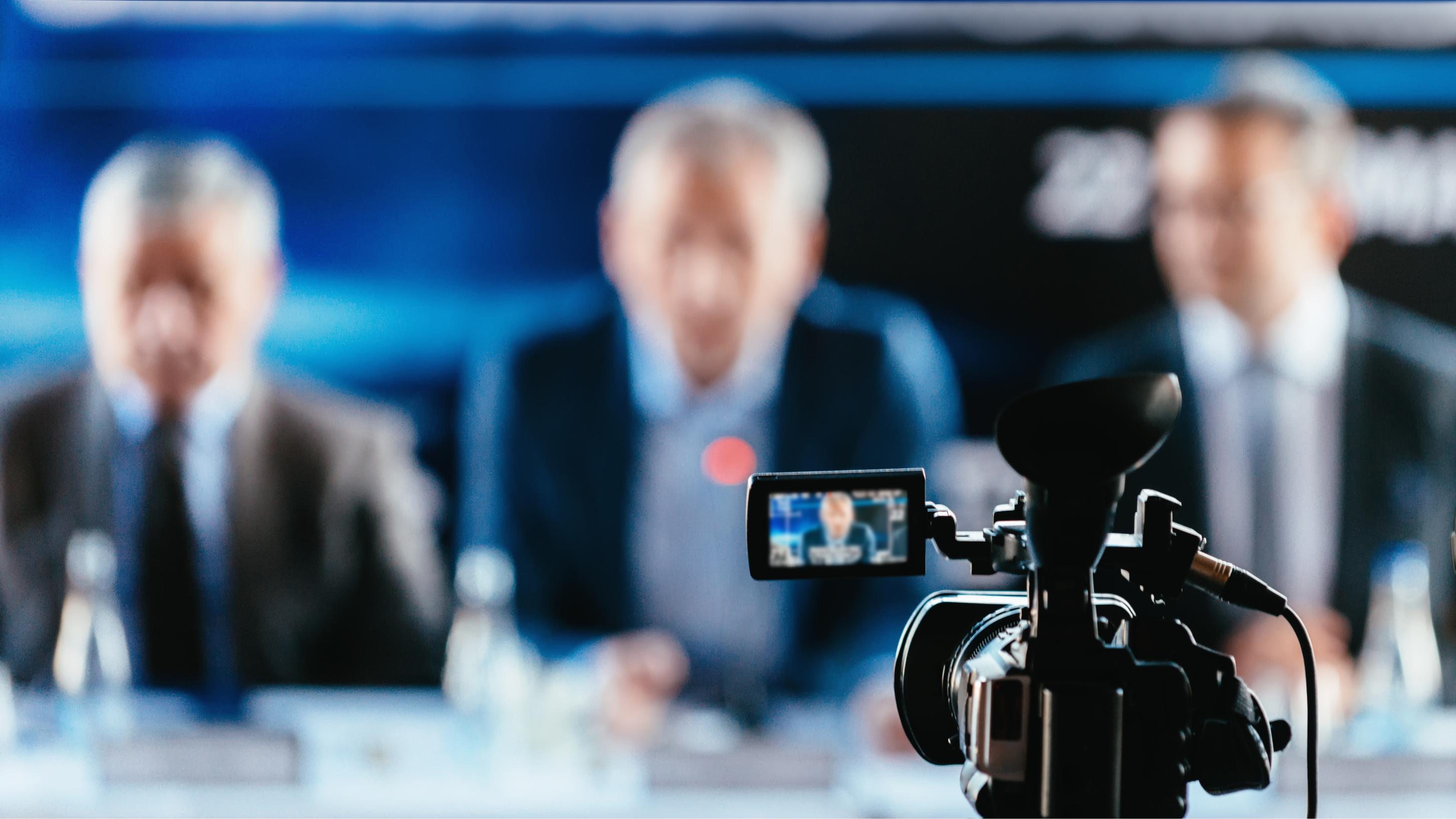
Conference filming isn't simply pointing a camera at a stage. A proper setup for a mid-size corporate event typically involves multiple camera positions — one locked off on a wide shot, another operated to capture audience reactions, close-ups of speakers, and cutaways of key moments like Q&A sessions or networking breaks. Audio is equally critical. Lapel mics, line-in feeds from the PA system, and room ambience all play a role in making the final edit feel polished rather than patchy.
Cinematic conference coverage — the kind that actually engages viewers rather than just documenting an event — also relies on thoughtful editing. That means pacing, music, colour grading, and the selective use of the best moments rather than everything that was filmed. If you're comparing providers, ask to see examples of their edit style, not just their filming reel. The two can look very different.
For events with a hybrid or livestreamed component, the technical requirements expand further. Integrating livestreaming into your video production plan from the outset — rather than treating it as an afterthought — makes a significant difference to both the live experience and the quality of any recorded output.

Turnaround Time Matters More Than Most People Realise
Marketing teams rarely have the luxury of waiting a week for event footage. By the time the gallery arrives, the conversation around the event has often moved on. The same applies to video — perhaps even more so. A 48-hour turnaround keeps you relevant. A two-week turnaround gives you archive material at best.
When evaluating Manchester conference videographer options, ask directly: what is your standard delivery timeline, and what does that include? Is it a rough cut or a fully graded, music-licensed edit? Does it include subtitles? Can individual speaker clips be turned around separately for social use? These specifics matter when you've got a content calendar to fill and a sponsor expecting deliverables by Monday.
Splento, for example, operates with a standard video delivery window of 48 hours — fully edited, not just raw rushes. For event teams working to tight post-event windows, that kind of guarantee removes a significant variable from the planning process.
How to Brief a Conference Videographer in Manchester
Give context, not just a running order
A running order tells your videographer what's happening. A proper brief tells them why it matters. Share your event objectives, your key speakers' names and roles, any sponsor obligations, and the moments that absolutely cannot be missed. If there's a product launch, a CEO address, or a panel session that's likely to generate quotable content, flag it explicitly.
Confirm logistics early
Venue access, rigging permissions, power supply for equipment, and the availability of a PA line-in feed are all things that need to be sorted before the day — not discovered on arrival. Manchester venues vary considerably in their technical infrastructure, so a pre-event recce or at least a detailed venue briefing call is time well spent. Planning your conference coverage properly applies equally to video as it does to photography.
Clarify rights and usage upfront
Music licensing, speaker consent, and footage ownership can become complicated if they're not addressed before the edit is delivered. Make sure your contract specifies who owns the raw footage, what music licensing is included, and whether the edited content can be used across all the channels you intend to publish on.
Scaling Up: When One Camera Isn't Enough
Larger conferences — multi-track events, award ceremonies, exhibitions with breakout sessions running simultaneously — require a different approach to staffing. A single videographer, no matter how skilled, can't be in two places at once. For complex events, you'll need a coordinated crew with a clear brief for each operator.
This is where working with a provider that has genuine depth of resource becomes practical rather than theoretical. Networks with coverage across multiple UK cities — and the capacity to place vetted, experienced crews at short notice — are better suited to large or logistically demanding events than sole traders. The right videography setup can extend the impact of your event well beyond the day itself, and that's only possible when the production quality holds up across every session.
Making Your Footage Work After the Event
The edit is the beginning, not the end. A well-produced conference video can be repurposed into speaker clips, teaser content for next year's event, delegate testimonials, internal training material, and sponsor reports. Think about this during production — not afterwards. Simple things, like filming a clean wide shot of the room before delegates arrive, or capturing b-roll of signage and venue details, give your editor far more to work with and your content team far more flexibility.
If video editing is being handled in-house or by a separate agency, ensure the raw footage is delivered in an appropriate format and with a clear log of what was captured. A disorganised rushes drive is a headache no editor enjoys.
Conclusion
Getting professional conference videography in Manchester right isn't complicated, but it does require planning, clear communication, and a realistic understanding of what good production involves. The teams that get the most from their event footage are the ones who've thought about the end use before the cameras are even booked. For professional conference videography and photography in Manchester with guaranteed fast turnaround, explore Splento's local services here: https://www.events-photography.com/gb/conference-videography-in-manchester.
FAQs
How far in advance should I book a conference videographer in Manchester?
For most corporate events, booking four to six weeks ahead gives you enough time to properly brief the team, arrange any venue recces, and confirm logistics. For larger or more complex events — multi-track conferences or awards evenings — eight weeks or more is more sensible. Popular dates in Manchester, particularly autumn and spring, tend to fill quickly.
What's a realistic budget for conference video production in Manchester?
Day rates for a professional single-camera setup typically start around £800–£1,200, with editing on top. Multi-camera productions, additional crew, same-day or fast-turnaround editing, and licensed music will all add to that. It's worth getting a fully itemised quote rather than a headline figure — what's included in post-production varies significantly between providers.
Can conference footage be edited and delivered within 48 hours of the event?
Yes, provided this is agreed in advance and the brief is clear before filming begins. Fast turnaround edits work best when the videographer knows exactly which moments are priority, what format the output needs to be in, and whether any approvals are required before delivery. Last-minute change requests are the most common cause of delays.